What Is the Best Clinic for Early Skin Cancer Detection in London?
Concerned about a mole or your skin health? Montrose London offers expert skin cancer detection in Belgravia, with consultant-led assessment and same-day results.

Dr Daniel O'Driscoll
Consultant Dermatologist · FRCP, BAD, BSMD, EADV

Why Early Detection Is the Most Important Factor in Skin Cancer Treatment
Skin cancer is the most common cancer in the UK, and incidence of non-melanoma skin cancer has risen by over 169% since the early 1990s. The statistics are significant, but so is this: when detected early, skin cancer is also one of the most treatable forms of cancer that exists.
The difference between an early-stage diagnosis and a late-stage one is not just medical, it’s the difference between a minor procedure and a major intervention. Which is why the question of where you go for skin cancer screening matters enormously.
Not all skin checks are equal. A GP appointment offers a visual assessment. A standard dermatology check may include dermoscopy. But the highest standard of early detection, the kind that catches changes before they’re visible to the naked eye, requires advanced imaging, digital monitoring over time, and specialist clinical oversight. And it starts with being seen at all, whether you have one mole that concerns you or want every mole on your body assessed.
Individual Mole Check or Full Body Mole Mapping: Which Do You Need?
This is the first question worth answering clearly, because the right service depends entirely on your situation.
An individual mole check is the right starting point if you have noticed a specific mole or skin lesion that concerns you, one that has changed in size, shape, or colour, or that itches, bleeds, or simply looks different to the others. Montrose offers individual checks for a single lesion (from £190, 10 minutes) or two lesions (from £275, 15 minutes). Each uses digital dermoscopy, high-magnification imaging that reveals structural features beneath the skin surface invisible to the naked eye. All findings are reviewed by a Consultant Dermatologist, with a written report issued before you leave.
Full body mole mapping is the right choice if you want comprehensive surveillance of your entire skin. This might be because you have a large number of moles, a personal or family history of skin cancer, or significant sun exposure over your lifetime, or simply because you want the peace of mind of knowing every mole on your body has been professionally assessed and documented. Full body mole mapping (from £495, 45–60 minutes) also creates a digital baseline that allows for precise comparison at future annual appointments, catching any new or evolving lesions over time.
Both services at Montrose are led by a Consultant Dermatologist and deliver same-day written results. The difference is in scope, not in the standard of care.
If you are unsure which is right for you, the Montrose team can advise at the point of booking.

What Should You Look for in an Early Skin Cancer Detection Clinic?
If you are concerned about a mole, a new skin lesion, or simply want the peace of mind that comes with knowing your skin has been thoroughly assessed, these are the factors that separate a thorough clinic from a basic one.
Consultant Dermatologist oversight
There is a significant difference between a skin check performed by a trained technician or nurse and one reviewed by a Consultant Dermatologist. Consultant Dermatologists hold the highest level of specialist medical training in skin health, as recognised by the British Association of Dermatologists, and are qualified to assess, diagnose, and advise on the full spectrum of skin conditions, including melanoma and other skin cancers. For early detection specifically, this level of clinical expertise is not a luxury. It is the standard.
Advanced imaging technology
Early skin cancer, particularly melanoma, can be invisible to the naked eye in its earliest stages. High-resolution photography and dermoscopy (magnified imaging of individual moles) allow clinicians to see structural changes that a visual examination alone would miss. The technology used matters: not all imaging systems are equivalent in their resolution or accuracy.
Digital monitoring and a baseline record
A single skin check tells you where you are today. A digital record of your skin tells you whether anything has changed since the last time you were assessed. The most clinically valuable approach to early detection is longitudinal, building a documented baseline and returning annually so that any new or evolving lesions are caught at the earliest possible stage.
Same-day written results
At the end of every appointment, your Consultant Dermatologist reviews findings with you in the room. Following the visit, they also email a written diagnostic report by the end of the same day. This covers which moles look normal, which require monitoring, and whether any need further investigation or removal. You leave with a clear, personalised monitoring plan, not an appointment letter and a week of anxiety.
CQC registration
A CQC-registered clinic is subject to regulatory oversight that provides an additional layer of quality assurance. This is the minimum standard to look for in a private clinic offering clinical services.
How Montrose London Approaches Early Skin Cancer Detection
Montrose London, based in Belgravia, is a CQC-registered, Consultant-led private clinic offering both individual mole checks and full body mole mapping, designed to meet the highest standard of early skin cancer detection regardless of whether a patient presents with a single concern or wants comprehensive skin surveillance. Rated 4.92/5 on Doctify, Montrose is home to 13 in-house Consultant Dermatologists.
The Canfield Scientific IntelliStudio3® with DermaGraphix®
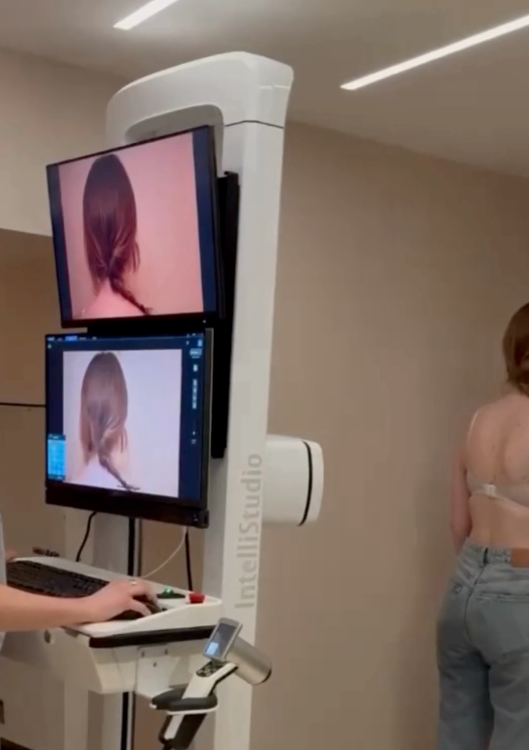
For full body mole mapping, Montrose uses the Canfield Scientific IntelliStudio3® with DermaGraphix®, the world’s most advanced mole mapping system, and one that Montrose was the first clinic in the UK to ever use. It captures high-resolution total body photography alongside magnified dermoscopic images of individual moles, producing a comprehensive digital record of your skin in a single appointment. The system also incorporates AI-assisted analysis to flag areas requiring closer clinical attention.
Digital dermoscopy for individual mole assessment
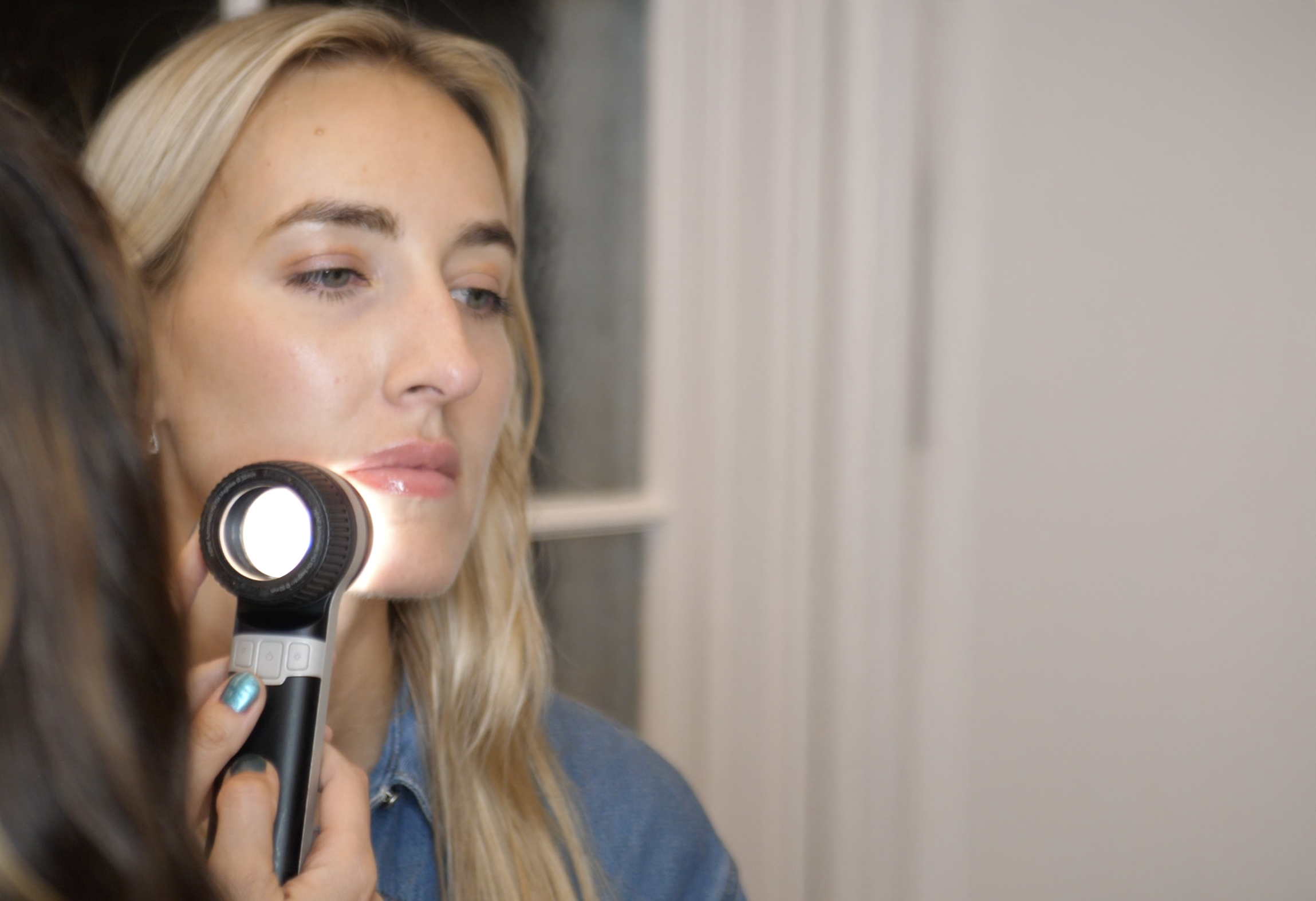
For patients presenting with a specific area of concern, Montrose uses digital dermoscopy to capture a detailed, high-magnification image of the mole or lesion in question, revealing structural features beneath the skin surface that are invisible to the naked eye. This gives the Consultant Dermatologist a far more precise view than visual examination alone and ensures that even subtle structural changes are identified and assessed correctly.
Exclusively Consultant Dermatologist-led
Every consultation and image review at Montrose, whether for an individual mole check or a full body mapping, is performed by a Consultant Dermatologist. Not a technician, not a nurse practitioner, not a GP. With 13 in-house Consultant Dermatologists, Montrose maintains this standard across all appointments. Should surgical removal of a mole be required, this will be performed by a Consultant Plastic Surgeon and can be scheduled within a matter of days of your initial consultation, with histopathology arranged through an accredited UK laboratory.
Same-day written results and a personalised monitoring plan
At the end of every appointment, the Consultant Dermatologist reviews findings with the patient in the room. Following the visit, the Dermatologist also emails a written diagnostic report by the end of the same day. This covers which moles look normal, which require monitoring, and whether any lesion needs further investigation or removal. Patients leave with a clear, documented plan, not an appointment letter and a week of anxiety.
A secure digital baseline for annual monitoring
All images captured during a full body mole mapping appointment are stored securely and used as a reference point for future visits. At every subsequent annual appointment, your Dermatologist can compare your current skin against your previous record with clinical precision, identifying any new or changing lesions that might otherwise go unnoticed.

Who Should Consider Early Skin Cancer Detection?
Early skin cancer detection is not exclusively for people who already know they are high risk. It is relevant for a far broader group than is commonly understood.
You should consider a professional skin assessment if any of the following applies:
- You have noticed a mole or skin lesion that has changed in size, shape, colour, or texture.
- You have a mole that itches, bleeds, or feels different to others on your body.
- You have a large number of moles (typically 50 or more).
- You have fair skin and a history of significant sun exposure, including holidays abroad.
- You have previously used sunbeds.
- You have a family history of melanoma or skin cancer.
- You have not had a professional skin check before and want the reassurance of knowing your skin has been thoroughly assessed.
The ABCDE rule is a useful guide for self-monitoring between appointments. If a mole displays any of the following, it warrants professional assessment without delay:
- A, Asymmetry: one half does not match the other
- B, Border: irregular, ragged, or blurred edges
- C, Colour: uneven distribution, multiple shades, or a change in colour
- D, Diameter: larger than 6mm, roughly the size of a pencil eraser
- E, Evolving: any change in size, shape, colour, or new symptoms
If any of these apply, prompt professional assessment is important. Montrose offers direct-access appointments without GP referral, typically available within days.
NHS vs Private Skin Cancer Screening: What Is the Difference?
NHS skin cancer screening is available through GP referral for patients with clinically concerning lesions. However, NHS access depends on GP assessment and referral thresholds, and waiting times can be significant.
Private skin cancer screening in London offers several advantages for those who want proactive, rather than reactive, care:
- Direct access without a GP referral for either an individual mole check or a full body assessment.
- Appointments typically available within days.
- Advanced imaging technology not routinely available on the NHS.
- Consultant Dermatologist review as standard.
- Same-day written results and immediate clinical guidance.
- A personalised monitoring programme for annual follow-up.
- Accepted by major private medical insurers including Bupa, Bupa Global, Vitality, Healix, Cigna, and WPA.
For patients who value early detection, want to be proactive about their skin health, or simply cannot afford to wait, private screening provides a level of thoroughness and immediacy that NHS pathways are not structured to deliver routinely.
What Happens During a Skin Cancer Detection Appointment at Montrose?
How to prepare
Please attend without makeup, fake tan, nail polish, or heavy moisturiser. These can obscure lesions and affect image quality. A private changing area is provided on arrival.
For an individual mole check
Your Consultant Dermatologist will assess the specific mole or lesion using digital dermoscopy, review findings with you in the room, and issue a written diagnostic report before you leave, advising on whether monitoring, further investigation, or removal is recommended. Single lesion checks take 10 minutes from £190; two lesion checks take 15 minutes from £275.
For a full body mole mapping appointment
The process takes 45–60 minutes from start to finish and starts from £495:
- Consultation: A brief discussion with the Consultant Dermatologist covering your personal and family medical history, any areas of concern, and your history of sun exposure.
- Full-body photography: The Canfield Scientific IntelliStudio3® with DermaGraphix® captures high-resolution images of your entire body, creating a complete digital record of every mole and lesion.
- Dermoscopic imaging: Individual moles or areas of concern are photographed in close detail, providing a magnified view for clinical analysis.
- Consultant review: The Consultant Dermatologist reviews all images and conducts their clinical assessment with you present.
- Written report: A written diagnostic report is issued before you leave, along with a personalised monitoring plan and any recommended next steps.
Frequently Asked Questions
What if I am only concerned about one mole? An individual mole check is the right appointment for you. You do not need a full body mole mapping session to have a specific concern assessed. Montrose offers single lesion checks from £190 (10 minutes) and two lesion checks from £275 (15 minutes), each using digital dermoscopy and reviewed by a Consultant Dermatologist with a written report issued before you leave. If the assessment identifies a need for further investigation or removal, the team will advise on next steps within the same consultation.
Is mole mapping the same as a skin cancer check? Mole mapping goes significantly further than a standard skin cancer check. Where a routine check involves a visual examination, mole mapping uses the Canfield Scientific IntelliStudio3® with DermaGraphix® to create a comprehensive, documented digital record of your entire skin. This allows accurate comparison at future appointments and catches changes that would be invisible to the naked eye.
How quickly will I get my results? At Montrose, a written diagnostic report is issued by the Consultant Dermatologist before you leave, whether for an individual mole check or a full body mapping. You will not leave without a clear picture of your skin health and a documented next step.
Do I need a GP referral to book? No. Montrose accepts self-referrals for both individual mole checks and full body mole mapping. You can book directly without a GP referral.
Are mole checks covered by private medical insurance? Yes. Montrose is on the approved panel for Bupa, Bupa Global, Vitality, Healix, Cigna, and WPA. Patients are asked to obtain pre-authorisation from their insurer before the appointment. Montrose will provide all required documentation.
How often should I have a skin cancer detection check? Most patients benefit from annual monitoring. Patients with a higher risk profile, such as those with atypical mole syndrome or a personal history of melanoma, may be reviewed every three to six months at the discretion of the Consultant Dermatologist.
What happens if something suspicious is found? If a lesion appears suspicious, your Consultant Dermatologist will discuss the options with you on the day. Should surgical removal be required, this will be performed by a Consultant Plastic Surgeon and can be scheduled within days of your initial consultation, with histopathology arranged through an accredited UK laboratory.
Book Your Skin Cancer Check at Montrose London
Montrose London is a CQC-registered, Consultant-led clinic at 19 West Eaton Place, Belgravia, London SW1X 8LT. Individual mole checks start from £190 and full body mole mapping from £495, with all appointments led by a Consultant Dermatologist using the Canfield Scientific IntelliStudio3® with DermaGraphix®, the world’s most advanced mole mapping system, first introduced to the UK by Montrose. Same-day written results are provided for all services. No GP referral required. Accepted by Bupa, Bupa Global, Vitality, Healix, Cigna, and WPA. Rated 4.92/5 on Doctify.
A clear answer. Sooner rather than later.
Skin cancer is one of the most treatable cancers when caught early. A single appointment establishes a record that protects you for years.
Montrose Belgravia · 19 West Eaton Place, London SW1X 8LT · CQC Registered